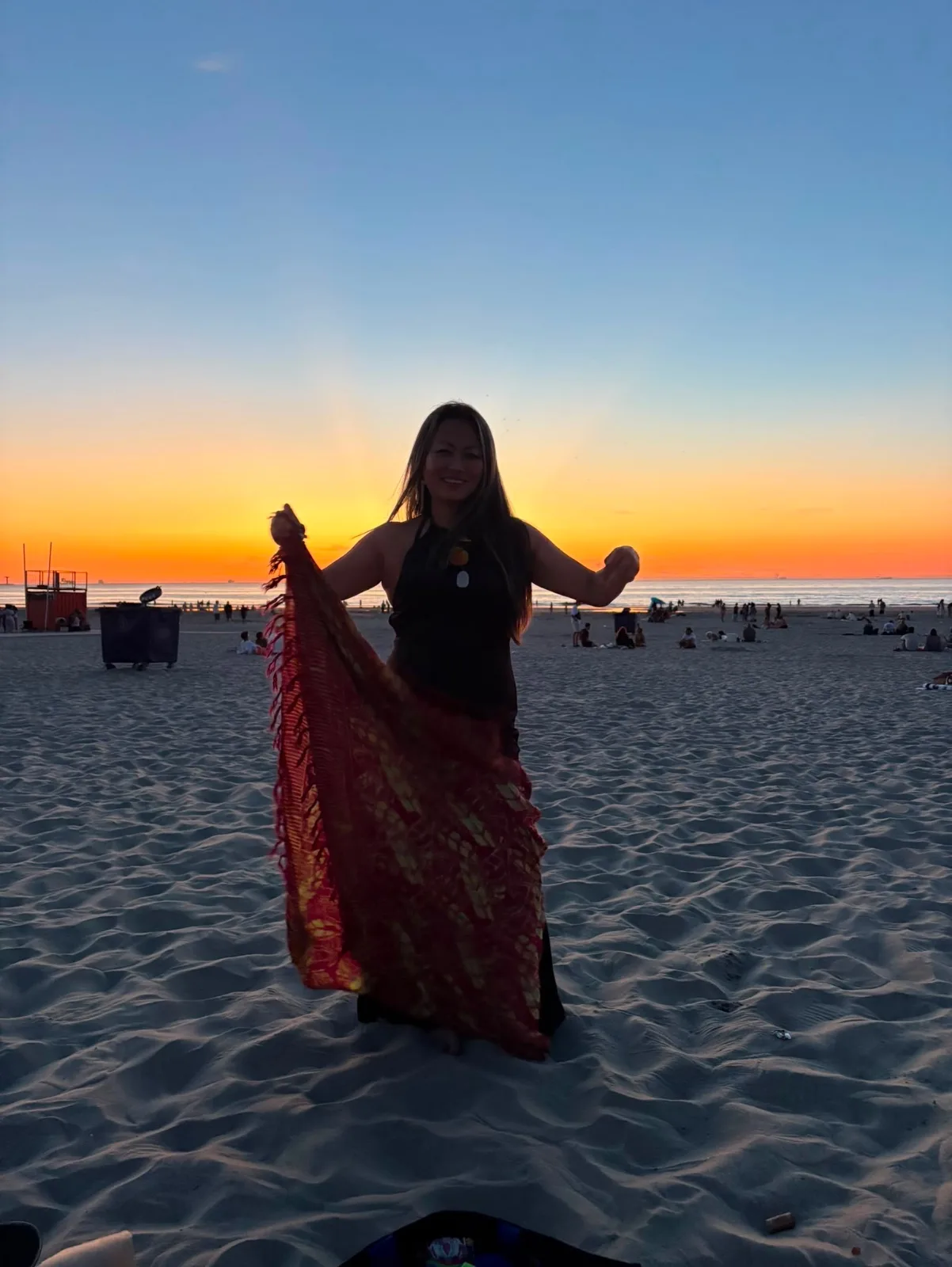
My story with salsa began many years ago in Beijing, during a time of change in my young life.
I started with Cuban salsa, although “learning” might be too formal a word for how it happened. There were hardly any classes then. Like many others, I learned by watching, listening and dancing alongside Colombian bands and dancers. Every weekend, we gathered in the music hall of a famous five-star hotel and at a club called Havana.
We learned salsa almost as if we were learning it on the streets—following the rhythm, copying one another and slowly allowing the music to enter our bodies. It was love at first sight. Or perhaps, love at the first beat.
I never expected that one day I would marry, move to the Netherlands and build a completely new life and family. Somewhere along that journey, I said goodbye to salsa for more than ten years.
Then, three years ago, I began dancing again. At first, I didn’t even realise that what I was seeing was salsa—it was danced in line, so different from the Cuban salsa I once knew.
But step by step, I found my way back to my old love. And I discovered something beautiful: the passion had never truly disappeared.
It had simply taken a very long nap.
I started making videos simply because I found the dancing moves so beautiful\.
But soon, I realized I loved something more than just filming the dance\. I loved the feeling of moving with my camera around the dancers—following their gestures, catching a turn, a flying dress, a spontaneous smile, and those laughing faces between the steps\.
Through my camera, I began to see dance differently\. It wasn’t only about beautiful movements anymore\. It was the joy between two people, the little moments nobody planned, and the energy that somehow became visible\.
Sometimes I felt I was dancing too—just from the other side of the lens.
I started organizing events because I loved what happened when people came together to dance.
There was something beautiful about watching an empty space slowly come alive—the music starting, familiar faces arriving, strangers meeting, and suddenly the whole room becoming full of movement, laughter and connection.
I loved standing somewhere in the middle of it all, knowing that behind every little detail there had been planning, messages, last-minute changes and probably a little chaos. But once the dancing started, none of that mattered anymore.
I wasn’t only organizing a party. I was creating a place where people could meet, dance, belong, and leave with a memory they didn’t have before they walked through the door.
And somehow, every event gave me one too.
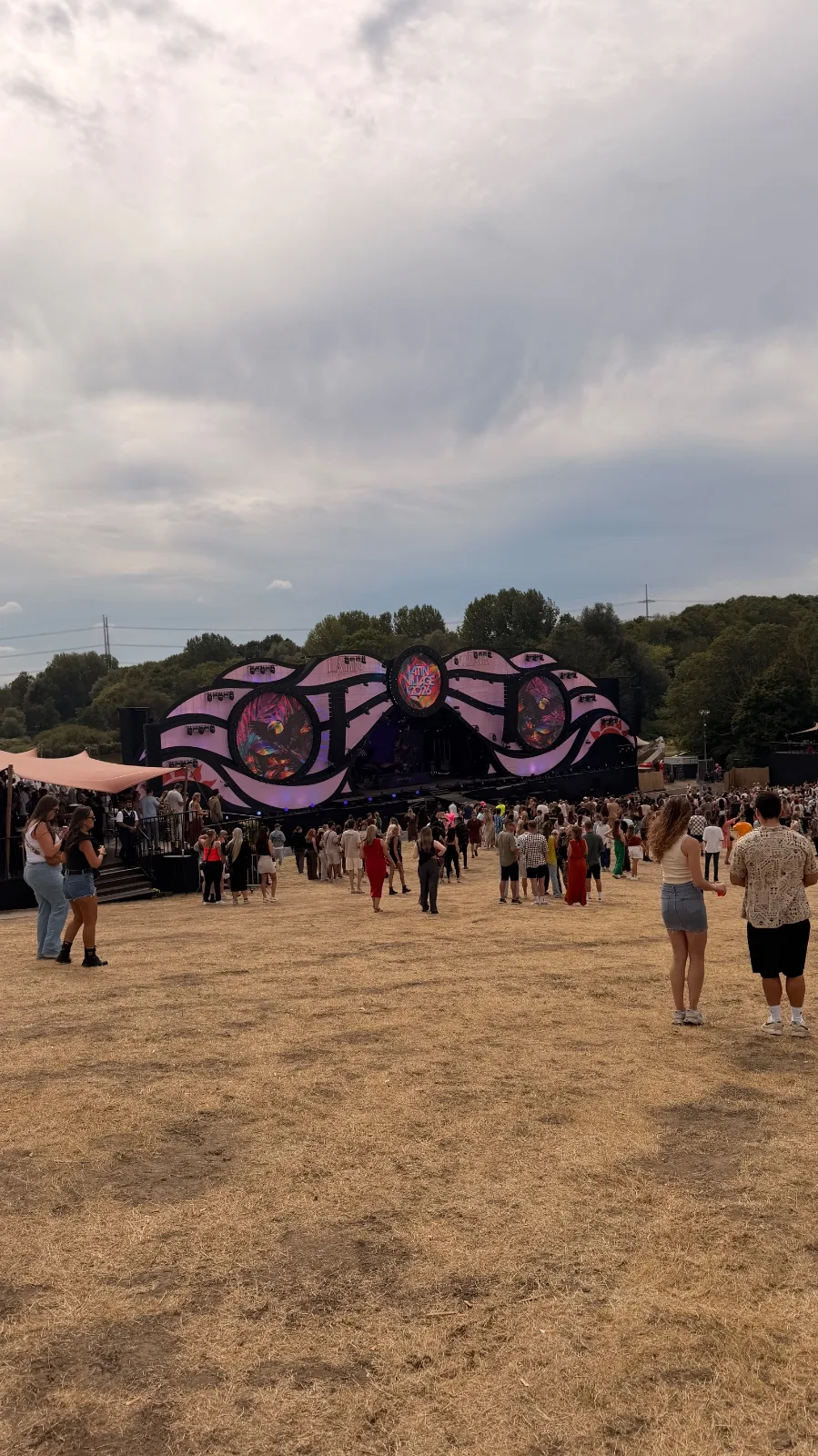
DJing has also taken me far beyond my own local dance floor. I travel across Europe to play at festivals, congresses and special events, and occasionally the music takes me even further—to Asia and other parts of the world.
I love arriving in a new city and discovering its dance scene from behind the DJ booth. Every crowd feels different. Some go crazy for Cuban Salsa, some live for Mambo, while others wait all night for that perfect Bachata Sensual set.
No matter where I play, there is always that beautiful moment when the dance floor fills up and suddenly nationality and language don’t seem to matter anymore.
Different cities, different dancers, different cultures—but somehow, we all understand the same music.
(This is made up as sample writing)
I teach Cuban Salsa and Mambo, two styles that I love for completely different reasons.
With Cuban, I love the freedom, playfulness and the way the whole body responds to the music. Mambo gives me another kind of excitement—the precision, musicality and that beautiful conversation between rhythm and movement.
When I teach, I don’t want my students to simply remember combinations. I want them to understand why a movement happens, to hear more inside the music, and eventually find their own way of expressing it.
One of my favorite moments is watching someone who once counted every step suddenly stop counting—and simply dance.
Nog geen link: de school heeft het nog niet bevestigd, of staat nog niet op Latin Fire.
Lesfilosofie
(This is made up as sample writing)
What I love most about teaching is seeing the moment when students truly comprehend a movement and slowly make it their own. I don’t want everyone to dance exactly like me. I want them to understand the technique well enough to develop their own style and personality.
That’s why I put a lot of focus on fundamentals—spotting and spinning technique, body movement, balance, weight transfer, timing and musicality. These details may look simple, but they are what give dancers freedom later.
For me, good foundations don’t limit your style. They give you the freedom to create one.
(This is made up as sample writing)
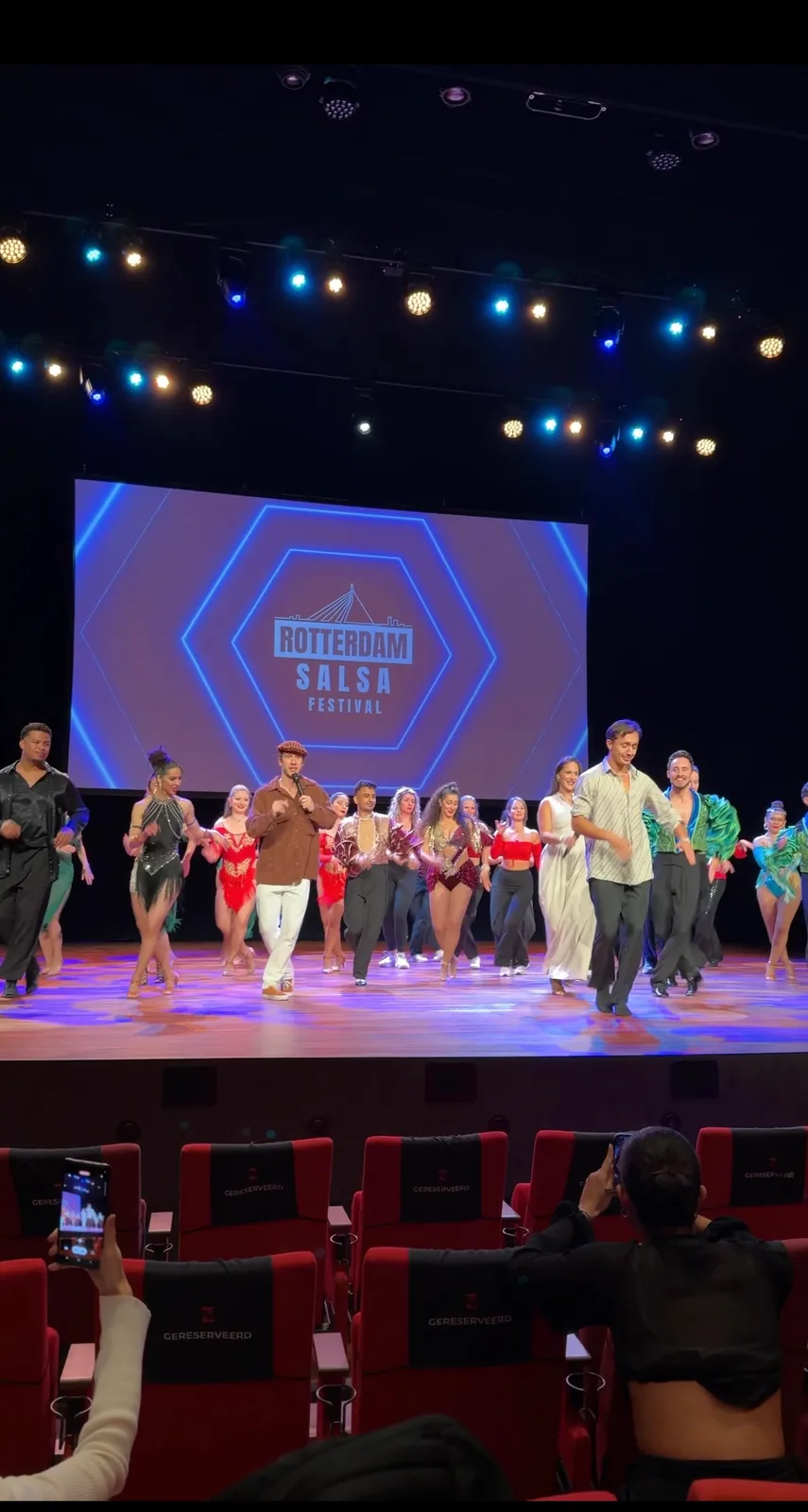
I started MCing at local Latin parties and dance showcases, and over the years I’ve had the chance to host salsa and bachata festivals, competitions, international artist shows and social dance weekends across Europe.
I’ve introduced artists from different countries, guided competitions from the first couple onto the floor to the final awards, and stood in front of audiences of more than a thousand dancers. Every event has taught me something different—especially how to handle unexpected changes while keeping the audience completely unaware that anything went wrong.
For me, being an MC is about reading the room. I love bringing energy when the crowd needs it, creating anticipation before a big performance, and also knowing when to step back and let the dancers own the moment.
The microphone is in my hand, but the event is never about me. My job is to make everyone else shine.
(This is made up as sample writing)
Music has been part of my life for many years\. I play saxophone, drums, piano, violin and guitar, and regularly perform with three different bands\.
Most of my performances are connected to Latin music, especially Salsa, where I love the conversation between live musicians and dancers\. I’ve played at social dance nights, live concerts and Latin festivals, sometimes for an intimate crowd and sometimes on stages with hundreds of dancers in front of us\.
Playing different instruments has taught me to hear the music from different angles—but nothing beats that moment when the band finds its groove and the entire dance floor responds.
Nog geen link: de band heeft het nog niet bevestigd, of staat nog niet op Latin Fire.
Showcase
·uit het Engels
Performer
4 jaar ervaring
(Dit is verzonnen als voorbeeldtekst)
Ik doe Salsa met twee verschillende dansgroepen. De ene is een all-girls performance team, waarin we feminine energy, styling en sterke groepsdynamiek verkennen. De andere is een partner performance team, waarin ik dans met Noah VK.
Onze optredens zijn Salsa, maar we nemen het graag verder dan het traditionele gevoel—door fusion, moderne invloeden en soms een meer romantische vorm van storytelling.
Ik heb opgetreden op socials, speciale evenementen en Latin festivals, en wat ik het leukste vind, is iets creëren waardoor het publiek iets voelt, en niet alleen kijkt. Voor mij is een performance op zijn best wanneer techniek, muziek en emotie één verhaal op het podium worden.
Nog geen link: het showteam heeft het nog niet bevestigd, of staat nog niet op Latin Fire.
Vertaald door AI·
Schooleigenaar
4 jaar ervaring
(This is made up as sample writing)
I’ve been running my own Latin dance school for six years. What started with a small group of around 20 dancers has grown into a community with more than 300 active students and a team of 8 teachers.
Our main focus is Salsa—Cuban, On1 and Mambo—together with Bachata. We teach from complete beginners to advanced dancers, but building strong fundamentals and confidence has always been at the heart of the school.
Over the years, we’ve organized weekly classes, bootcamps, student performance teams, socials and special workshops with international guest teachers. Some of my proudest moments are not the big events, though. They are seeing someone walk into their first class nervous and, a year later, watching that same person perform, travel to festivals and become part of the community.
For me, owning a dance school isn’t only about teaching people how to dance. It’s about creating a place where people come for a class and somehow end up finding friends, confidence and a second home.
(Dit is verzonnen als voorbeeldtekst)
Ik run al meerdere jaren danslocaties en beheer momenteel twee locaties met in totaal vijf danszalen.
De ruimtes bieden wekelijks lessen in Salsa en Bachata, socials, workshops, repetities en privé-evenementen. Onze zalen variëren van intieme studio’s voor training in kleine groepen tot een grotere dansvloer die ongeveer 250 mensen kan ontvangen voor feesten en speciale evenementen.
Door de jaren heen hebben we lokale scholen, internationale docenten, dj’s, artiesten en organisatoren van evenementen verwelkomd. Ik vind het vooral mooi om te zien hoe totaal verschillende communities dezelfde ruimte delen—de ene zaal waar een show wordt gerepeteerd terwijl de andere vol zit met beginners die Salsa voor het eerst ontdekken.
Voor mij is een venue veel meer dan vier muren en een dansvloer. Wanneer de juiste mensen, muziek en sfeer samenkomen, wordt het een thuis voor een community.
(This is made up as sample writing)
I manage two very different bands: September Sound, a six-member band, and Jazz Jazz, a much larger ensemble of around 20 musicians—sometimes even more depending on the performance.
Managing them means bringing many moving pieces together: musicians, rehearsals, bookings, venues, technical requirements, transportation and last-minute changes. With a large ensemble especially, getting 20 personalities and 20 schedules onto one stage can sometimes feel like a performance of its own.
Over the years, I’ve coordinated performances for festivals, cultural events, private functions and larger stages, working closely with organizers from the first booking conversation until the final soundcheck.
What I enjoy most is seeing everything finally come together. There may have been dozens of messages, changing schedules and plenty of logistics behind the scenes—but once the musicians start playing, all you see is one band, one sound and one shared energy.
(Dit is een voorbeeldbeschrijving)
Ik run een winkel die gespecialiseerd is in dansschoenen en performancekleding, samen met een verscheidenheid aan accessoires zoals handwaaiers, elektrische waaiers, tassen en make-upproducten die zijn ontworpen om intact te blijven, zelfs bij hevig zweten en lange uren optreden.
Het beheren van de winkel betekent zorgvuldig met veel bewegende onderdelen tegelijk omgaan: kwaliteitsproducten inkopen, inspelen op de behoeften van klanten, de voorraad organiseren en ervoor zorgen dat performers en dansers precies kunnen vinden wat ze nodig hebben voor repetities, voorstellingen, festivals en speciale evenementen. Vooral tijdens drukke seizoenen kan het voelen alsof alles beschikbaar, goed geordend en klaar voor snelle aankoop moet zijn, net zo veeleisend als de voorbereiding op een optreden zelf.
In de loop der tijd heb ik dansers, podiumartiesten, culturele groepen en evenementorganisatoren geholpen, en hen ondersteund bij alles van kleine shows tot grote openbare optredens. Elke klant heeft andere behoeften, of het nu gaat om duurzame schoenen voor lange routines, ademende kostuums of accessoires die hen comfortabel houden onder het podiumlicht.
Wat ik het leukst vind, is klanten de winkel zien verlaten met een gevoel van zelfvertrouwen en gereedheid. Wanneer ze volledig voorbereid—comfortabel, stijlvol en gesteund door de juiste producten—het podium op stappen, voelt het belonend om te weten dat mijn winkel een klein onderdeel van hun optreden heeft gespeeld.
Ik werk als onderdeel van een **showteam** en help liveoptredens tot leven te brengen, zowel op het podium als achter de schermen\.
Mijn rol bestaat uit het coördineren van performers, het ondersteunen van repetities en ervoor zorgen dat alles klaar is voor showtime—van podiumopbouw en kostuums tot timing en technische details\. Tijdens drukke productieperiodes draait het allemaal om ervoor zorgen dat iedereen op één lijn blijft en klaar is om te performen\.
Ik heb samengewerkt met dansers, podiumartiesten en culturele groepen bij verschillende evenementen, van kleine showcases tot grote openbare optredens\. Elke show is anders, maar het doel blijft altijd hetzelfde: soepele overgangen, sterke teamwork en een gepolijste eindvoorstelling\.
Wat ik het leukst vind, is deel uitmaken van het moment waarop alles samenkomt op het podium—wanneer de performers zelfverzekerd, voorbereid en synchroon naar voren stappen, en de hele show gewoon werkt.
(Dit is verzonnen als voorbeeldtekst)
Ik promoot al ongeveer drie jaar nationale en internationale Latin-evenementen en heb meer dan 50 feesten, festivals en dansevenementen ondersteund.
Ik heb een zwak voor kleinere evenementen die zijn opgezet met een oprechte bedoeling om mensen geluk en verbinding te brengen. Wanneer ik geloof in wat ze doen, ondersteun ik hen graag simpelweg omdat ik wil helpen.
Voor grotere festivals werk ik professioneel via mijn community, sociale media en verschillende online en offline kanalen. Ik deel evenementen met kortingscodes, zorg voor zichtbaarheid en help organisatoren rechtstreeks in contact te brengen met dansers. De meeste festivals belonen mijn werk via commissie, samenwerkingen of festivalpassen.
Ik beheer ook een Latin-danscommunity met meerdere groepen, waardoor ik heel direct contact heb met dansers en met wat zij zoeken. Af en toe bezoek ik evenementen ook als journalist—ik ontmoet de mensen erachter, leg hun verhalen vast en deel de ervaring met de bredere community.
Voor mij is een eventambassadeur zijn niet simpelweg promotie. Het gaat om het verbinden van het juiste evenement met de juiste mensen en het helpen van een mooi idee om zijn publiek te vinden.