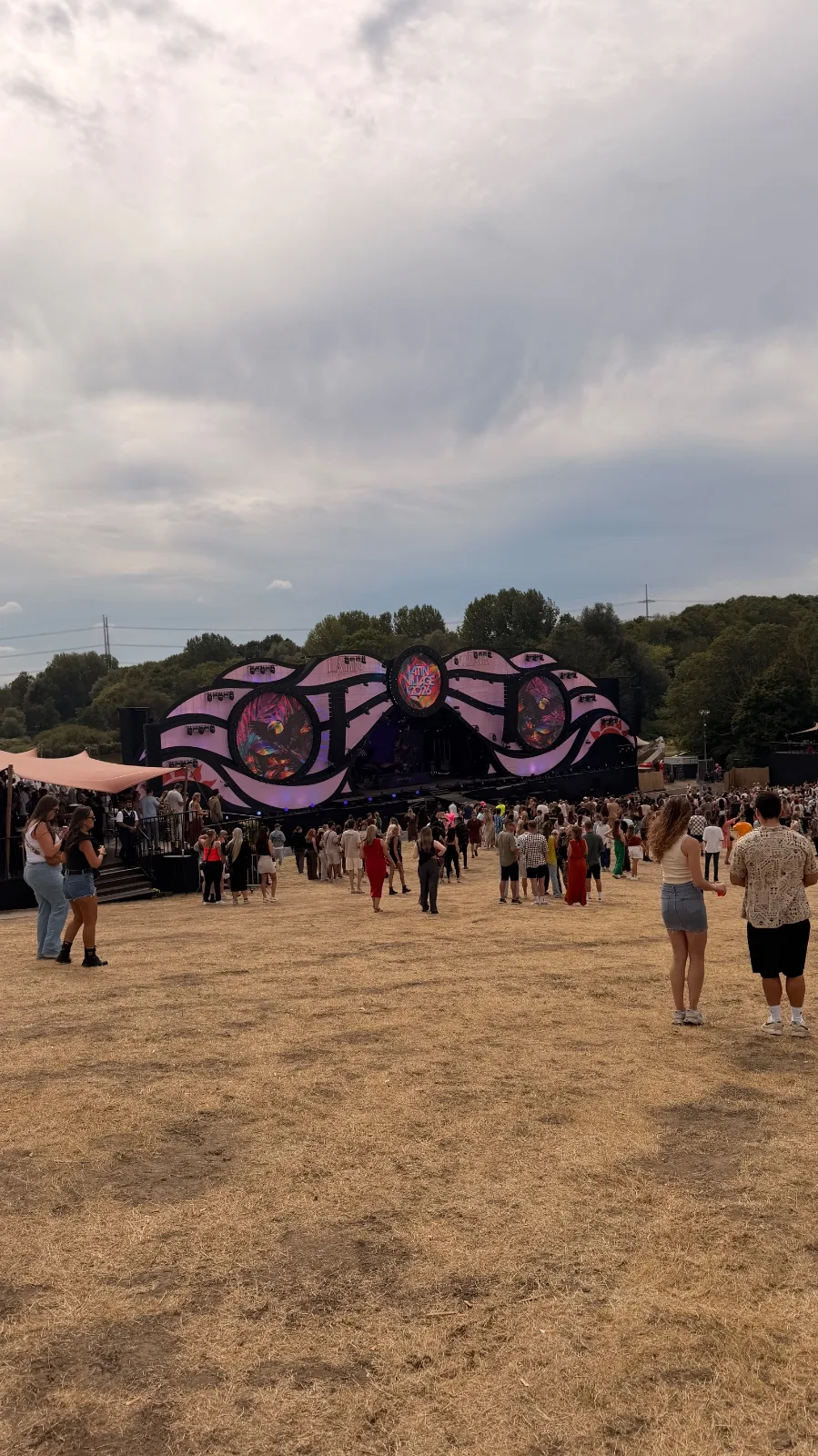
My story with salsa began many years ago in Beijing, during a time of change in my young life.
I started with Cuban salsa, although “learning” might be too formal a word for how it happened. There were hardly any classes then. Like many others, I learned by watching, listening and dancing alongside Colombian bands and dancers. Every weekend, we gathered in the music hall of a famous five-star hotel and at a club called Havana.
We learned salsa almost as if we were learning it on the streets—following the rhythm, copying one another and slowly allowing the music to enter our bodies. It was love at first sight. Or perhaps, love at the first beat.
I never expected that one day I would marry, move to the Netherlands and build a completely new life and family. Somewhere along that journey, I said goodbye to salsa for more than ten years.
Then, three years ago, I began dancing again. At first, I didn’t even realise that what I was seeing was salsa—it was danced in line, so different from the Cuban salsa I once knew.
But step by step, I found my way back to my old love. And I discovered something beautiful: the passion had never truly disappeared.
It had simply taken a very long nap.
I started making videos simply because I found the dancing moves so beautiful\.
But soon, I realized I loved something more than just filming the dance\. I loved the feeling of moving with my camera around the dancers—following their gestures, catching a turn, a flying dress, a spontaneous smile, and those laughing faces between the steps\.
Through my camera, I began to see dance differently\. It wasn’t only about beautiful movements anymore\. It was the joy between two people, the little moments nobody planned, and the energy that somehow became visible\.
Sometimes I felt I was dancing too—just from the other side of the lens.
I started organizing events because I loved what happened when people came together to dance.
There was something beautiful about watching an empty space slowly come alive—the music starting, familiar faces arriving, strangers meeting, and suddenly the whole room becoming full of movement, laughter and connection.
I loved standing somewhere in the middle of it all, knowing that behind every little detail there had been planning, messages, last-minute changes and probably a little chaos. But once the dancing started, none of that mattered anymore.
I wasn’t only organizing a party. I was creating a place where people could meet, dance, belong, and leave with a memory they didn’t have before they walked through the door.
And somehow, every event gave me one too.
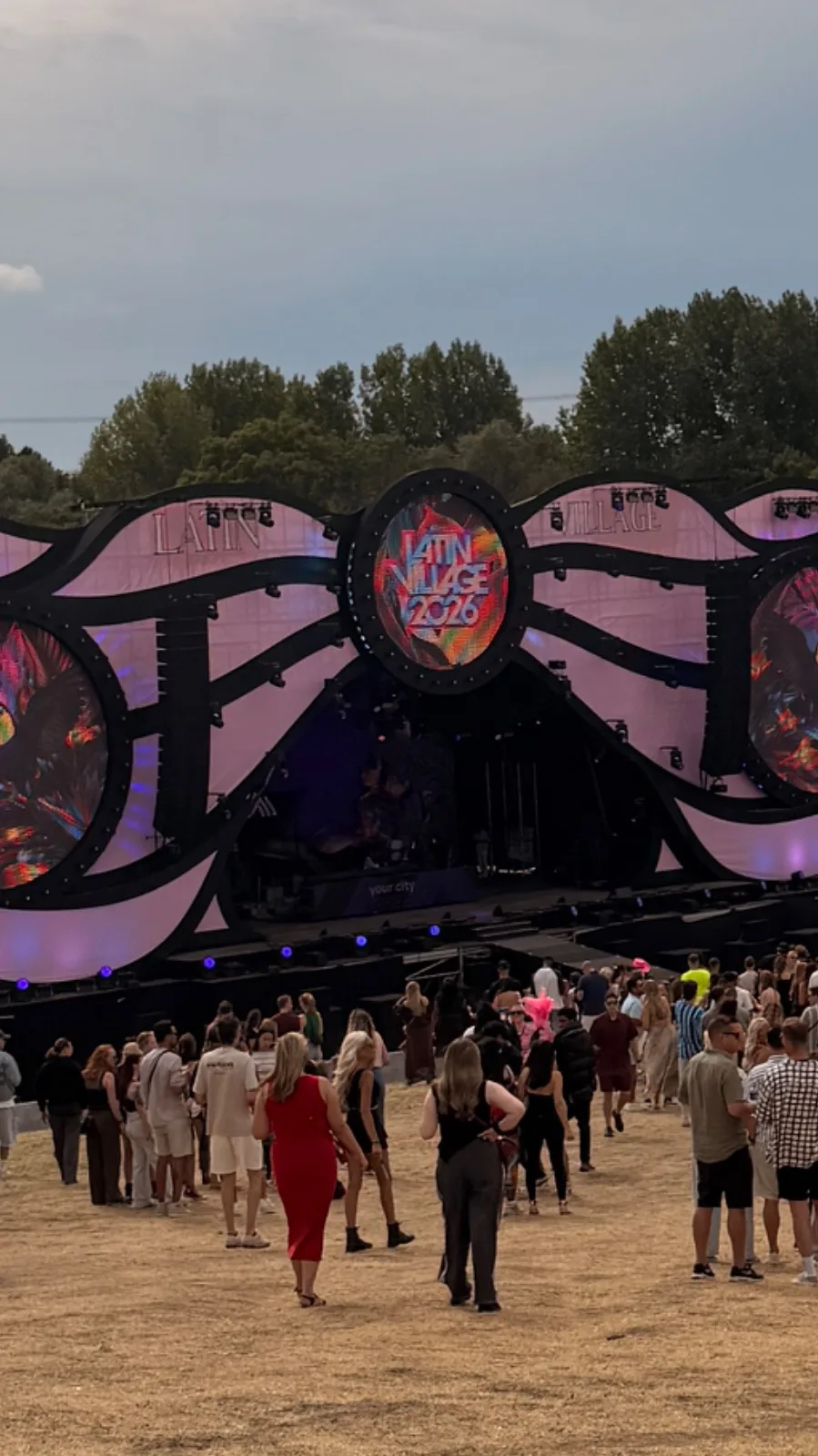
DJing has also taken me far beyond my own local dance floor. I travel across Europe to play at festivals, congresses and special events, and occasionally the music takes me even further—to Asia and other parts of the world.
I love arriving in a new city and discovering its dance scene from behind the DJ booth. Every crowd feels different. Some go crazy for Cuban Salsa, some live for Mambo, while others wait all night for that perfect Bachata Sensual set.
No matter where I play, there is always that beautiful moment when the dance floor fills up and suddenly nationality and language don’t seem to matter anymore.
Different cities, different dancers, different cultures—but somehow, we all understand the same music.
(This is made up as sample writing)
I teach Cuban Salsa and Mambo, two styles that I love for completely different reasons.
With Cuban, I love the freedom, playfulness and the way the whole body responds to the music. Mambo gives me another kind of excitement—the precision, musicality and that beautiful conversation between rhythm and movement.
When I teach, I don’t want my students to simply remember combinations. I want them to understand why a movement happens, to hear more inside the music, and eventually find their own way of expressing it.
One of my favorite moments is watching someone who once counted every step suddenly stop counting—and simply dance.
No link yet: the school hasn't confirmed, or isn't on Latin Fire yet.
Teaching philosophy
(This is made up as sample writing)
What I love most about teaching is seeing the moment when students truly comprehend a movement and slowly make it their own. I don’t want everyone to dance exactly like me. I want them to understand the technique well enough to develop their own style and personality.
That’s why I put a lot of focus on fundamentals—spotting and spinning technique, body movement, balance, weight transfer, timing and musicality. These details may look simple, but they are what give dancers freedom later.
For me, good foundations don’t limit your style. They give you the freedom to create one.
(This is made up as sample writing)
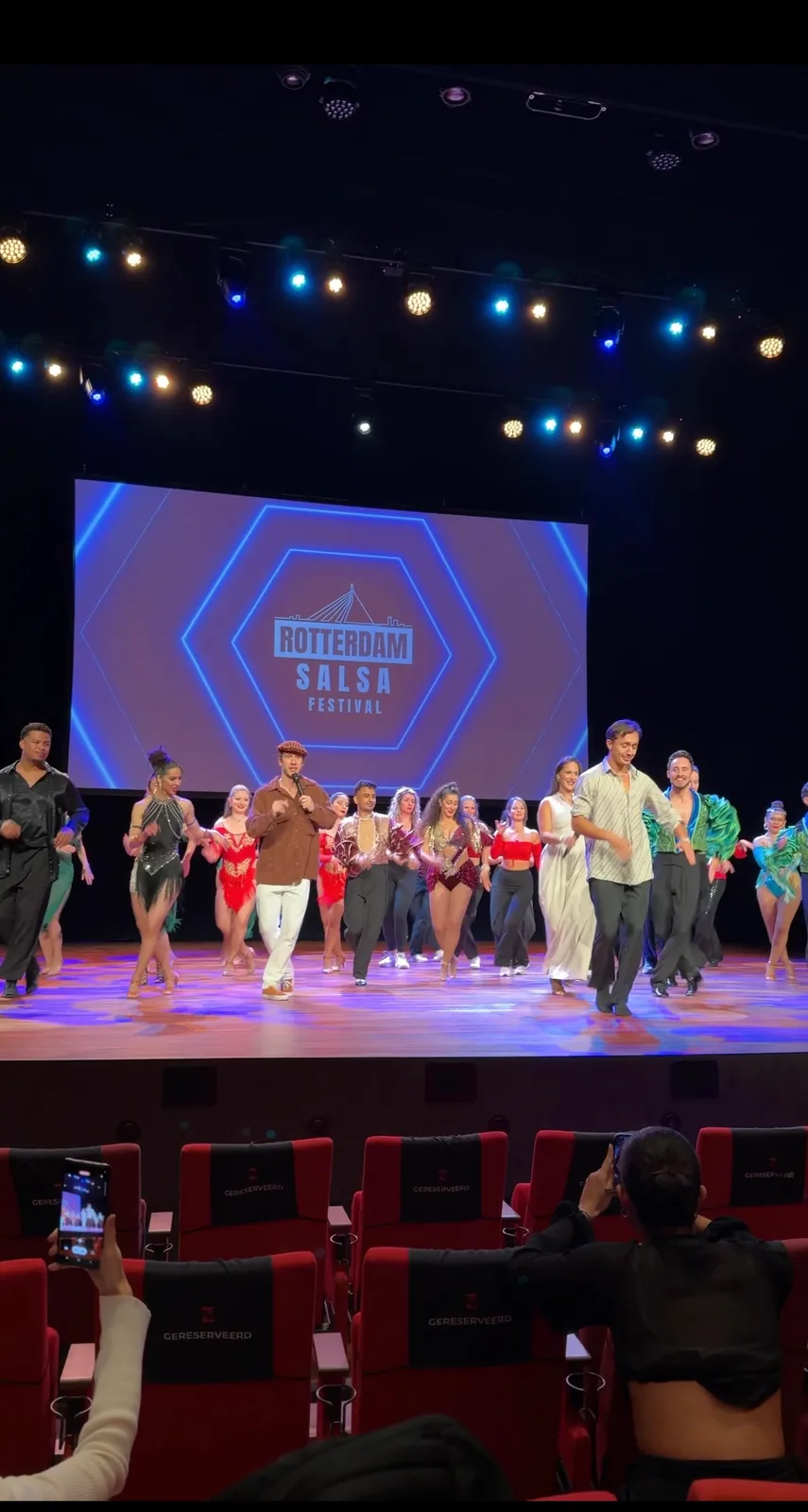
I started MCing at local Latin parties and dance showcases, and over the years I’ve had the chance to host salsa and bachata festivals, competitions, international artist shows and social dance weekends across Europe.
I’ve introduced artists from different countries, guided competitions from the first couple onto the floor to the final awards, and stood in front of audiences of more than a thousand dancers. Every event has taught me something different—especially how to handle unexpected changes while keeping the audience completely unaware that anything went wrong.
For me, being an MC is about reading the room. I love bringing energy when the crowd needs it, creating anticipation before a big performance, and also knowing when to step back and let the dancers own the moment.
The microphone is in my hand, but the event is never about me. My job is to make everyone else shine.
(This is made up as sample writing)
Music has been part of my life for many years\. I play saxophone, drums, piano, violin and guitar, and regularly perform with three different bands\.
Most of my performances are connected to Latin music, especially Salsa, where I love the conversation between live musicians and dancers\. I’ve played at social dance nights, live concerts and Latin festivals, sometimes for an intimate crowd and sometimes on stages with hundreds of dancers in front of us\.
Playing different instruments has taught me to hear the music from different angles—but nothing beats that moment when the band finds its groove and the entire dance floor responds.
No link yet: the band hasn't confirmed, or isn't on Latin Fire yet.
Showcase
Performer
4 years experience
(This is made up as sample writing)
I perform Salsa with two different dance groups. One is an all-girls performance team, where we explore feminine energy, styling and strong group dynamics. The other is a partner performance team, where I dance with Noah VK.
Our performances are Salsa, but we love taking it beyond the traditional feeling—bringing in fusion, modern influences and sometimes a more romantic way of storytelling.
I’ve performed at socials, special events and Latin festivals, and what I enjoy most is creating something that makes the audience feel, not only watch. For me, a performance is at its best when technique, music and emotion become one story on stage.
No link yet: the showteam hasn't confirmed, or isn't on Latin Fire yet.
School Owner
4 years experience
(This is made up as sample writing)
I’ve been running my own Latin dance school for six years. What started with a small group of around 20 dancers has grown into a community with more than 300 active students and a team of 8 teachers.
Our main focus is Salsa—Cuban, On1 and Mambo—together with Bachata. We teach from complete beginners to advanced dancers, but building strong fundamentals and confidence has always been at the heart of the school.
Over the years, we’ve organized weekly classes, bootcamps, student performance teams, socials and special workshops with international guest teachers. Some of my proudest moments are not the big events, though. They are seeing someone walk into their first class nervous and, a year later, watching that same person perform, travel to festivals and become part of the community.
For me, owning a dance school isn’t only about teaching people how to dance. It’s about creating a place where people come for a class and somehow end up finding friends, confidence and a second home.
(This is made up as sample writing)
I’ve been running dance venues for several years and currently manage two locations with five dance rooms in total.
The spaces host weekly Salsa and Bachata classes, socials, workshops, rehearsals and private events. Our rooms range from intimate studios for small-group training to a larger dance floor that can welcome around 250 people for parties and special events.
Over the years, we’ve welcomed local schools, international teachers, DJs, performers and event organizers. I especially enjoy seeing completely different communities sharing the same space—one room rehearsing a show while another is full of beginners discovering Salsa for the first time.
For me, a venue is much more than four walls and a dance floor. When the right people, music and atmosphere come together, it becomes a home for a community.
(This is made up as sample writing)
I manage two very different bands: September Sound, a six-member band, and Jazz Jazz, a much larger ensemble of around 20 musicians—sometimes even more depending on the performance.
Managing them means bringing many moving pieces together: musicians, rehearsals, bookings, venues, technical requirements, transportation and last-minute changes. With a large ensemble especially, getting 20 personalities and 20 schedules onto one stage can sometimes feel like a performance of its own.
Over the years, I’ve coordinated performances for festivals, cultural events, private functions and larger stages, working closely with organizers from the first booking conversation until the final soundcheck.
What I enjoy most is seeing everything finally come together. There may have been dozens of messages, changing schedules and plenty of logistics behind the scenes—but once the musicians start playing, all you see is one band, one sound and one shared energy.
(This is a sample description)
I run a shop that specializes in dancing shoes and performance clothing, along with a variety of accessories such as hand fans, electric fans, bags, and makeup products designed to stay intact even under heavy sweat and long hours of performance.
Managing the shop means carefully handling many moving parts at once: sourcing quality products, keeping up with customer needs, organizing inventory, and making sure performers and dancers can find exactly what they need for rehearsals, stage shows, festivals, and special events. Especially during busy seasons, making sure everything is available, well-arranged, and ready for quick purchase can feel just as demanding as preparing for a performance itself.
Over time, I have served dancers, stage performers, cultural groups, and event organizers, helping them prepare for everything from small shows to large public performances. Each customer has different needs, whether it is durable shoes for long routines, breathable costumes, or accessories that help them stay comfortable under stage lights.
What I enjoy most is seeing customers leave the shop feeling confident and ready. When they step onto the stage fully prepared—comfortable, stylish, and supported by the right products—it feels rewarding to know my shop played a small part in their performance.
I work as part of a **show team**, helping bring live performances to life both on stage and behind the scenes\.
My role involves coordinating performers, supporting rehearsals, and making sure everything is ready for showtime—from stage setup and costumes to timing and technical details\. During busy production periods, it’s all about keeping everyone aligned and performance\-ready\.
I’ve worked with dancers, stage performers, and cultural groups across different events, from small showcases to large public performances\. Every show is different, but the goal is always the same: smooth transitions, strong teamwork, and a polished final performance\.
What I enjoy most is being part of the moment when everything comes together on stage—when the performers step out confident, prepared, and in sync, and the whole show just works.
(This is made up as sample writing)
I’ve been promoting national and international Latin events for around three years and have supported more than 50 parties, festivals and dance events.
I have a soft spot for smaller events created with a genuine purpose of bringing people happiness and connection. When I believe in what they are doing, I’m happy to support them simply because I want to help.
For larger festivals, I work professionally through my community, social media and different online and offline channels. I share events with discount codes, create visibility and help connect organizers directly with dancers. Most festivals reward my work through commission, partnerships or festival passes.
I also run a Latin dance community with multiple groups, which gives me a very direct connection to dancers and what they are looking for. From time to time, I visit events as a journalist too—meeting the people behind them, capturing their stories and sharing the experience with the wider community.
For me, being an event ambassador is not simply promotion. It’s connecting the right event with the right people and helping a beautiful idea find its crowd.